Property knowledge

Common property problems. Explained clearly.

A practical guide to some of the defects, construction types and property issues our Chartered Surveyors regularly encounter across the South West.

Property problems library

Find the issue you want to understand

Search the library or filter the topics below. The photographs are taken from Bradleys' existing Common Surveying Problems resource so many of the issues can be recognised visually before opening the guidance.

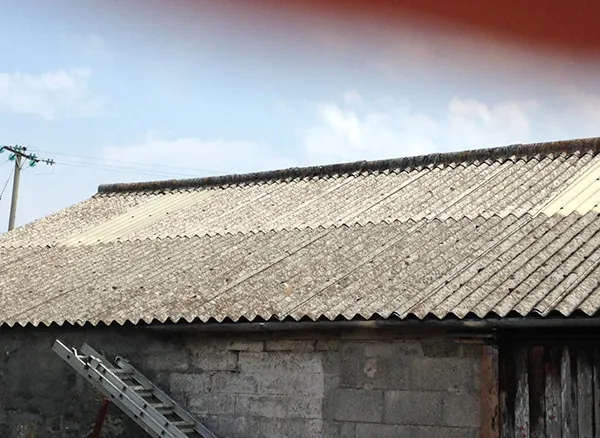
Asbestos example

Asbestos fibres were used in many building products, including some cement sheets, roof coverings, boards, textured finishes and floor tiles. Where asbestos-containing material is suspected, it should not be disturbed before appropriate expert advice is obtained.
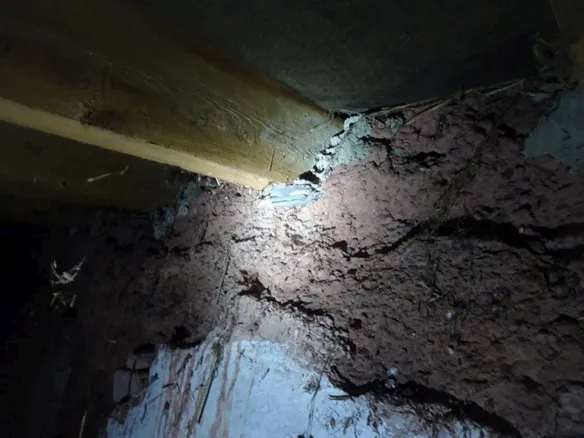
Cob example

Cob is a traditional mixture that can include clay, lime, straw and small aggregate. It can be durable when protected from excessive moisture. Breathable lime-based finishes are generally important because impermeable cement-rich finishes can trap moisture.

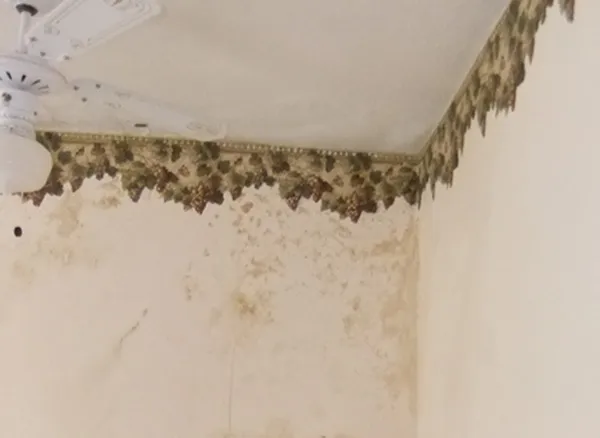
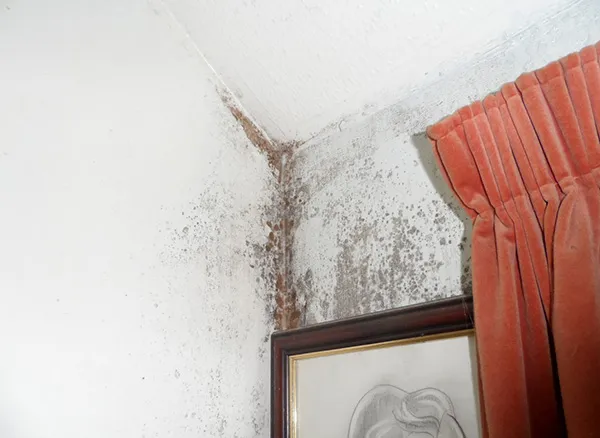
Condensation example

Condensation commonly forms on colder surfaces when humid indoor air is not adequately ventilated. Persistent moisture can cause mould and may contribute to timber decay, particularly in poorly ventilated roof spaces.

Damp example

Water is a major cause of building deterioration. Driving rain is particularly relevant in the South West. Causes can include defects to rainwater goods, pointing, render, openings or construction details, and traditional solid-wall buildings may behave differently from modern cavity construction.

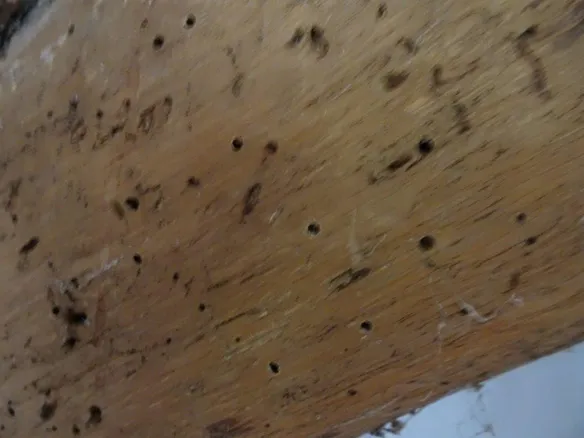
Death Watch Beetle example

Death Watch Beetle can affect old hardwood timbers, particularly in historic buildings. Evidence can include characteristic exit holes and infestation may warrant specialist assessment, moisture control and treatment.

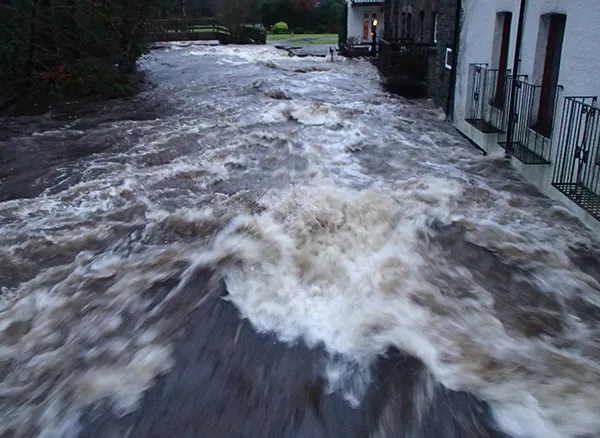
Flooding example

Flood risk can arise from rivers, the sea, groundwater or inadequate surface-water drainage. It can affect insurance, mortgageability, saleability and value, so the position should be investigated where a property is in an at-risk location.

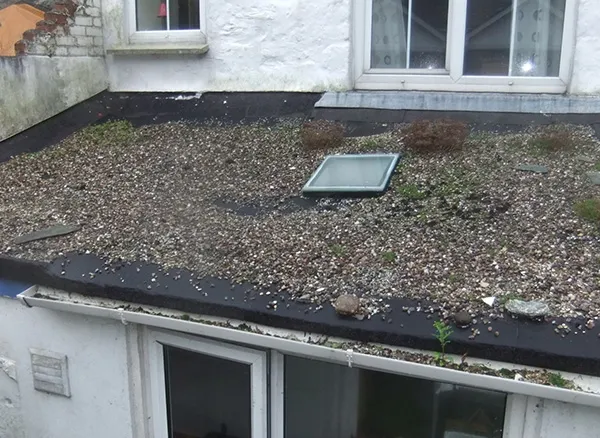
Flat Roofing example

Flat roofs have finite service lives that depend on the covering, deck, installation and exposure. Repair or renewal should also consider insulation, ventilation and the condition of the concealed deck.

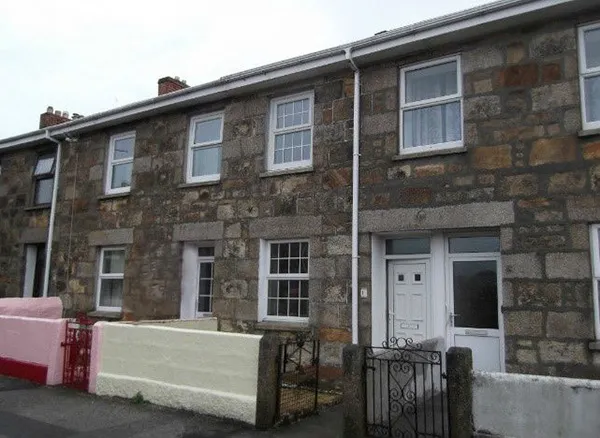
Flying Freehold example

A flying freehold exists where part of one freehold property extends over another. Significant areas can affect legal rights and lender acceptance, so your legal adviser should confirm the extent and implications.

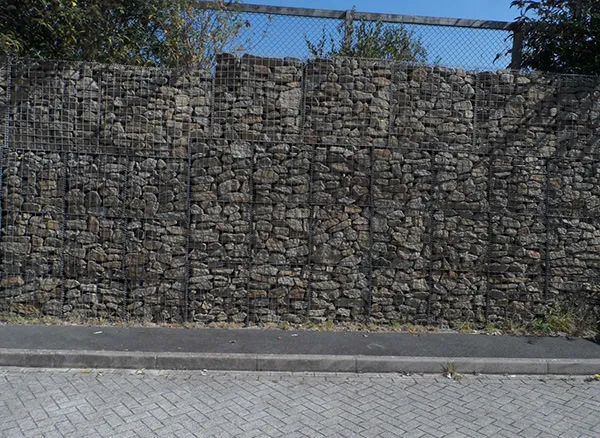
Gabion Baskets example

Gabions are wire cages filled with stone, often used as retaining structures. They drain effectively and can tolerate some movement, but their ultimate lifespan depends heavily on the durability of the wire cage.

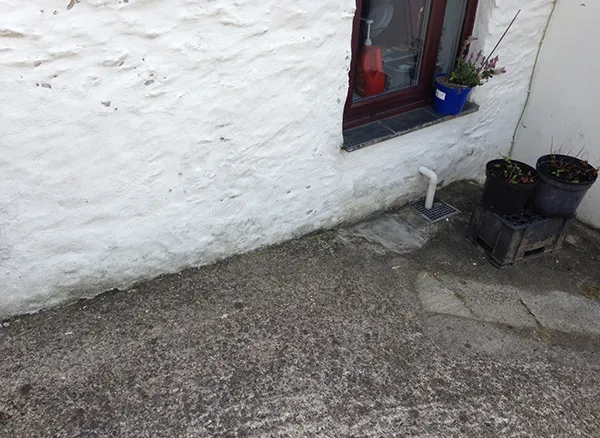
High External Ground Level example

External ground at or above internal floor or damp-proof-course level can increase the risk of penetrating damp. Lowering ground levels, improving drainage or suitable waterproofing may be considered depending on the property.

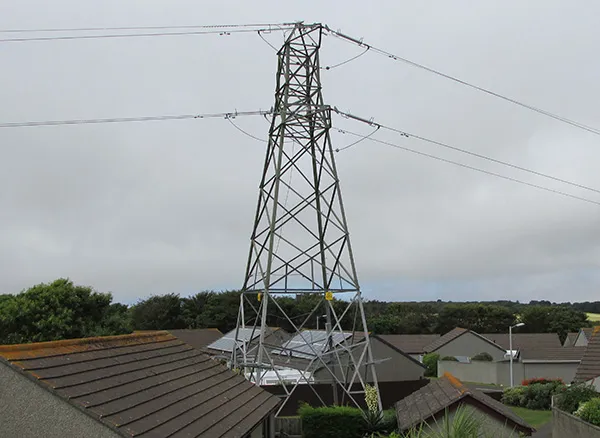
High Voltage Apparatus example

Proximity to pylons or electrical infrastructure can concern purchasers and may influence market perception. Where this is material, current specialist guidance should be obtained.

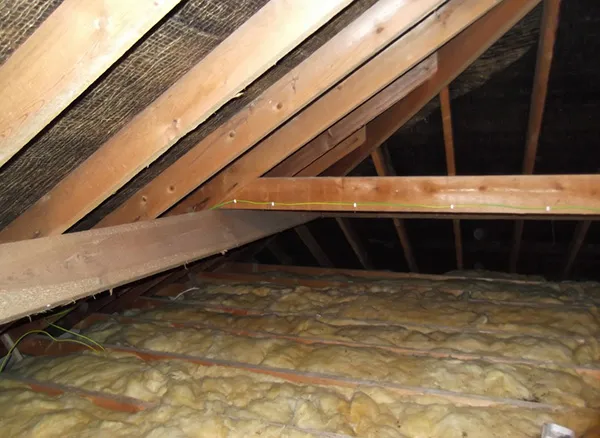
Insulation example

Insulation can improve thermal performance, but suitability depends on the construction and exposure of the building. Particular care is needed when retrofitting insulation to traditional or exposed properties.

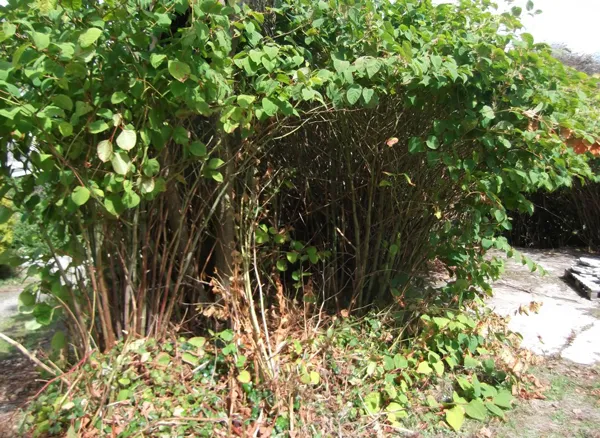
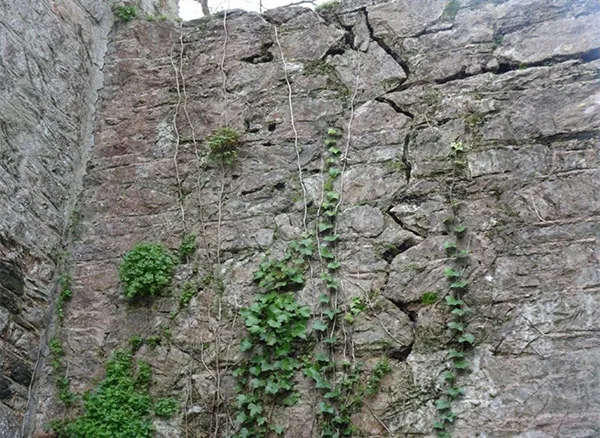
Japanese Knotweed example

Japanese Knotweed is an invasive plant found across the UK. Its presence can affect property transactions and may require specialist identification and a suitable management or remediation strategy.

Lime Mortar example placeholder

Lime mortars and renders allow many traditional walls to release absorbed moisture. Inappropriate hard, impermeable cement-rich repairs can crack and trap moisture, increasing the risk of deterioration.

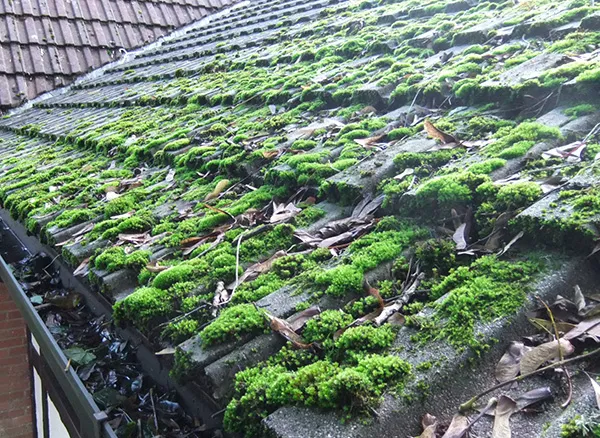
Moss & Lichen example

Heavy moss and lichen growth can impede roof drainage and contribute to blocked gutters. Periodic removal or suitable treatment may be required.

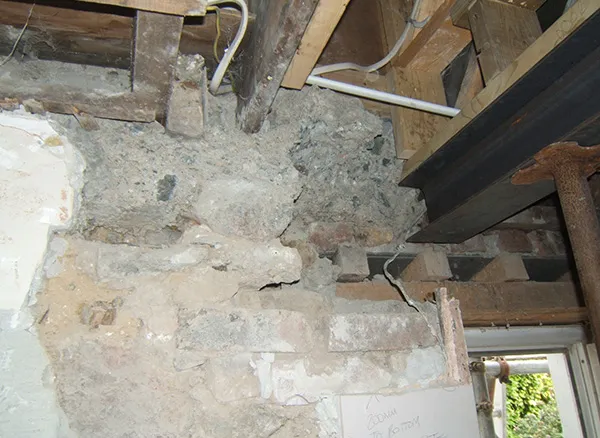
Structural Movement example

Movement can result from settlement, subsidence, heave, thermal effects, drainage problems, trees or other mechanisms. The pattern and history of cracking are important; further structural-engineering advice may be recommended where the cause or significance is uncertain.

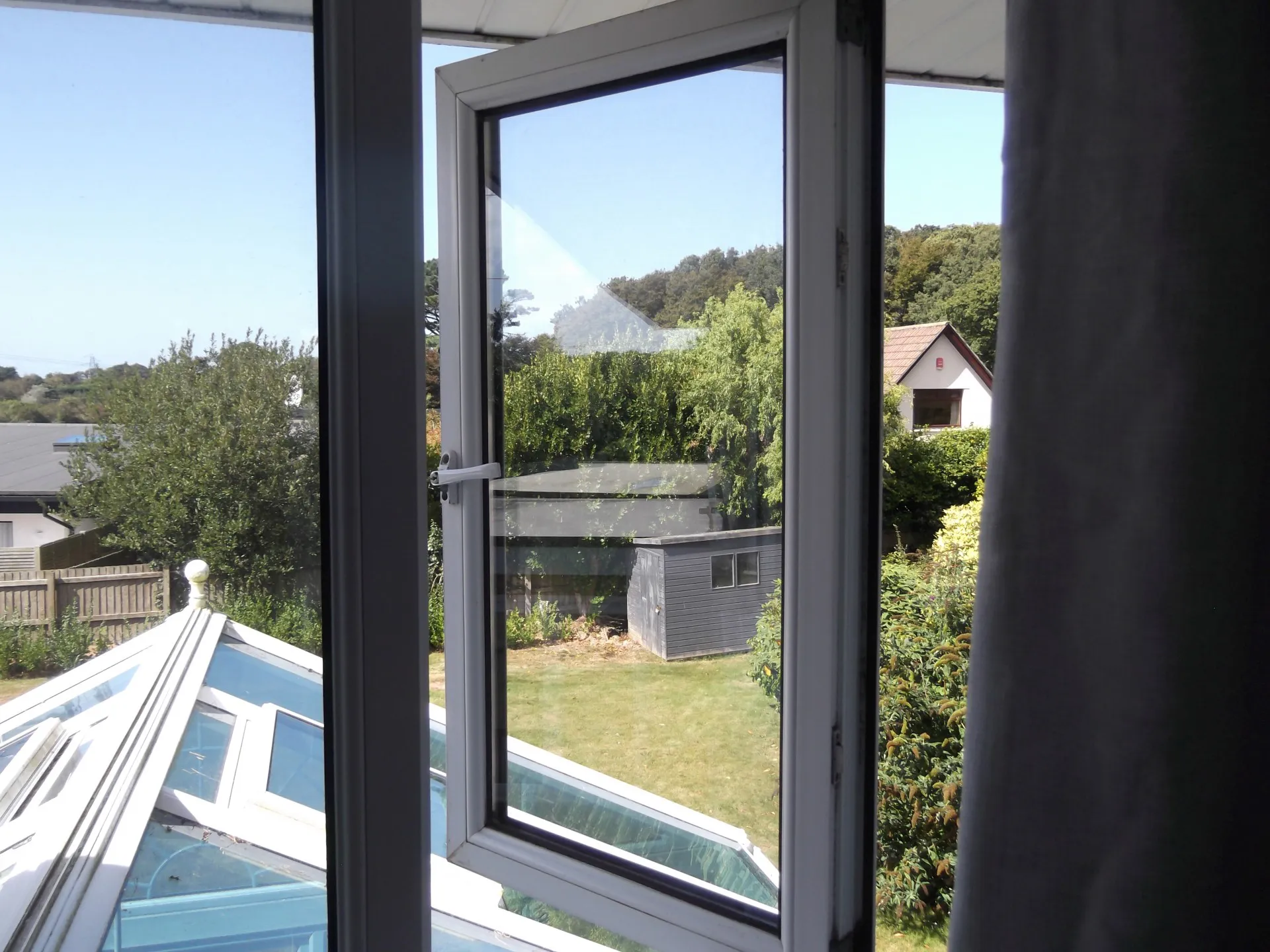
Non-escape Windows example

Some older replacement windows may not provide a suitable emergency escape opening. Where escape provision is inadequate, the installation should be assessed by an appropriately qualified person.

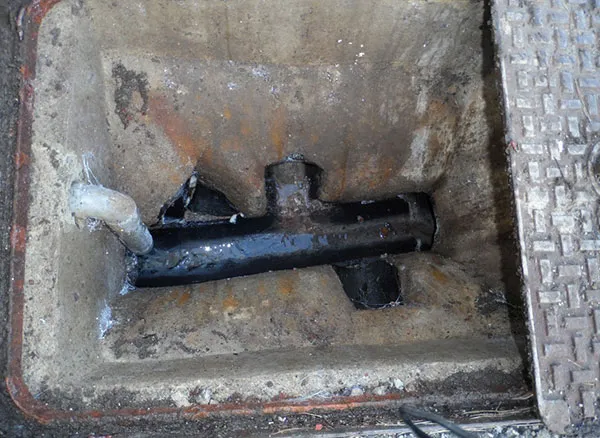
Pitch Fibre Drains example

Pitch-fibre drainage was widely used in the mid-20th century and can deform or delaminate internally. Where suspected, drainage investigation can establish condition and whether repair or replacement is required.

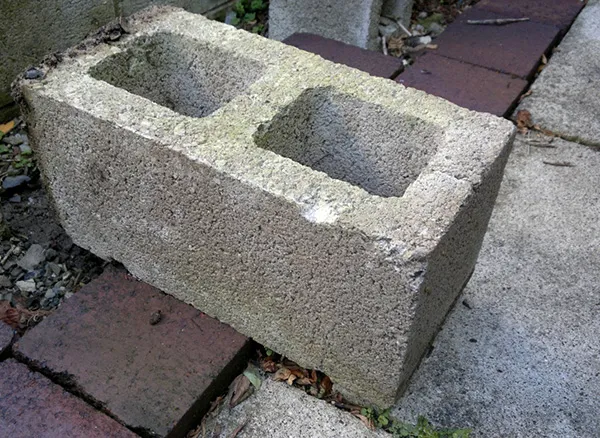
Pot Block example

Pot-block wall construction was used in some domestic buildings in the mid-20th century. It can have poor thermal performance and may be less readily accepted by some mainstream mortgage lenders.

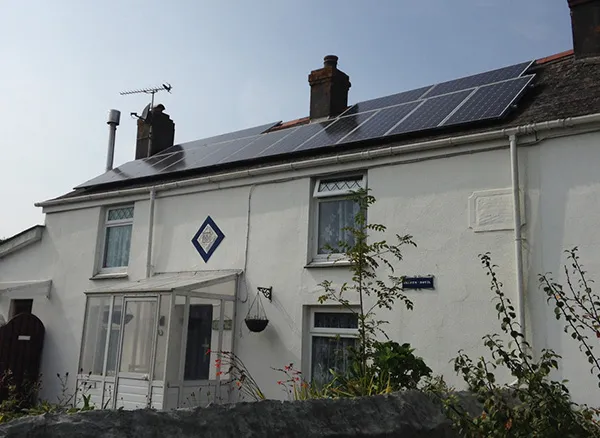
Photovoltaic Panels example

Solar-panel installations should be considered in terms of roof condition, structural loading, weatherproofing and any associated lease or ownership arrangement. These matters can also be relevant to lenders.

Rainwater Goods example placeholder

Defective or blocked gutters and downpipes can contribute to damp, timber decay and even ground-related movement. They should discharge effectively to suitable drainage and be maintained regularly.

Shuttered Mass Concrete example

Mass concrete was used in some buildings during the first half of the 20th century. In parts of the South West it can be associated with poor aggregates and may warrant specialist concrete assessment.

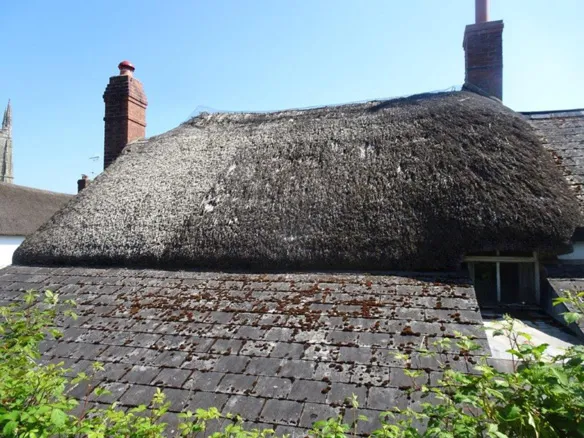
Thatch example

Thatch life depends on material, workmanship, roof pitch, exposure and maintenance. Insurance and fire-risk considerations are important, and listed buildings may be subject to conservation requirements.

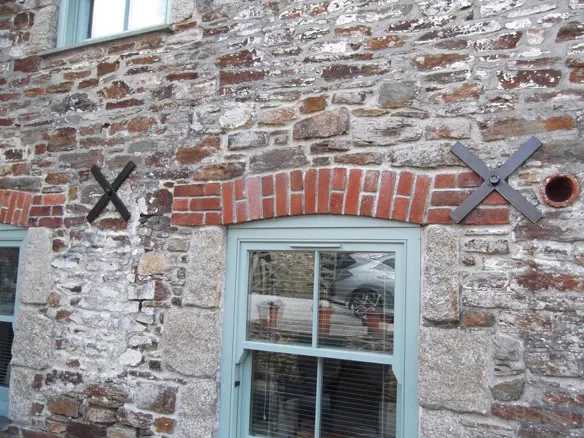
Tie Bars example

Tie bars can restrain walls affected by movement or roof spread. Their presence is often evidence of historic structural intervention and may justify further assessment if movement appears ongoing.

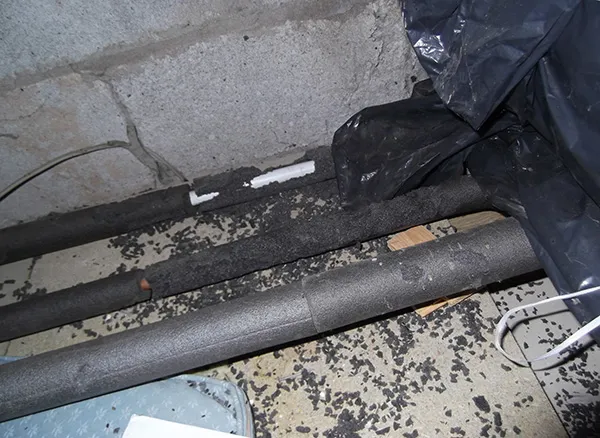
Vermin example

Vermin commonly affect roof voids and can damage insulation and stored materials. Persistent infestation may require a pest-control specialist.

A guide, not a diagnosis

The same symptom can have very different causes

01

Look at the whole property

Age, construction, alterations, exposure and maintenance all provide context.

02

Establish the likely cause

A visible crack or damp patch is evidence of a symptom, not necessarily the underlying defect.

03

Investigate where necessary

Specialist testing or further professional advice may be appropriate where the cause cannot be established visually.

04

Make an informed decision

Understanding significance and likely next steps helps you assess the property more confidently.

Important

This library is general property information and does not replace an inspection or property-specific professional advice. Some technical and regulatory subjects change over time and should be checked against current specialist guidance.

Concerned about a property?

Get clear advice before you commit.

Our Chartered Surveyors can help you understand the condition of the property and whether further investigation is appropriate.

Request a quotation

RICS expertise • Local knowledge • Clear reporting

Request a quote